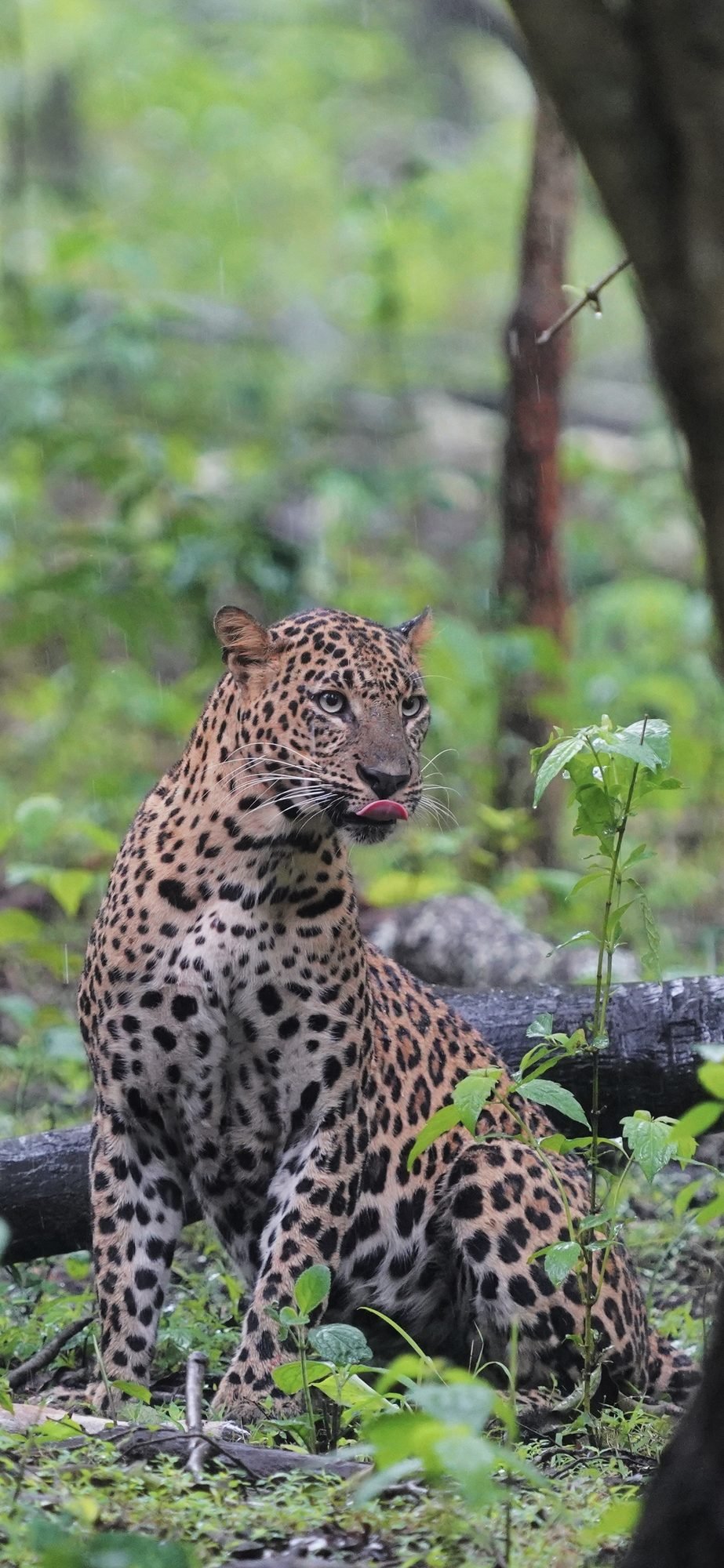
The animals decide almost everything on a safari. What you control is whether you are ready in the few seconds they give you. Here is how to be.
Before you go: book early, choose well
Safari permits in India’s popular reserves are released online by the forest department and the best slots go fast, especially for winter weekends and long holidays. Book as soon as your dates are fixed, and if you can, spread your drives across more than one zone so a quiet morning in one area doesn’t define the whole trip.
For photography, an open jeep (often called a gypsy) is worth the extra cost over a shared canter. You get fewer people, more room to move your lens, and a driver and guide who can position you for the light rather than for the group.
What to pack: the camera bag
- A telephoto zoom. Something in the 100–400mm, 150–600mm or 200–500mm range covers most situations. Long primes are wonderful but a zoom lets you reframe when an animal walks closer.
- A wider second option. A 24–70mm or 24–105mm (ideally on a second body) for habitat shots, vehicles at a sighting, and the landscapes you’ll otherwise forget to take.
- A bean bag, not a tripod. Tripods don’t fit in a jeep. A bean bag resting on the vehicle frame gives you most of the stability with none of the setup time.
- More batteries and cards than seem sensible. Bursts eat storage, and there is nowhere to charge in the middle of the forest.
- Dust and rain protection. A rain cover, a blower and a microfibre cloth. Forest tracks are dusty in the dry months and showers can arrive without warning.
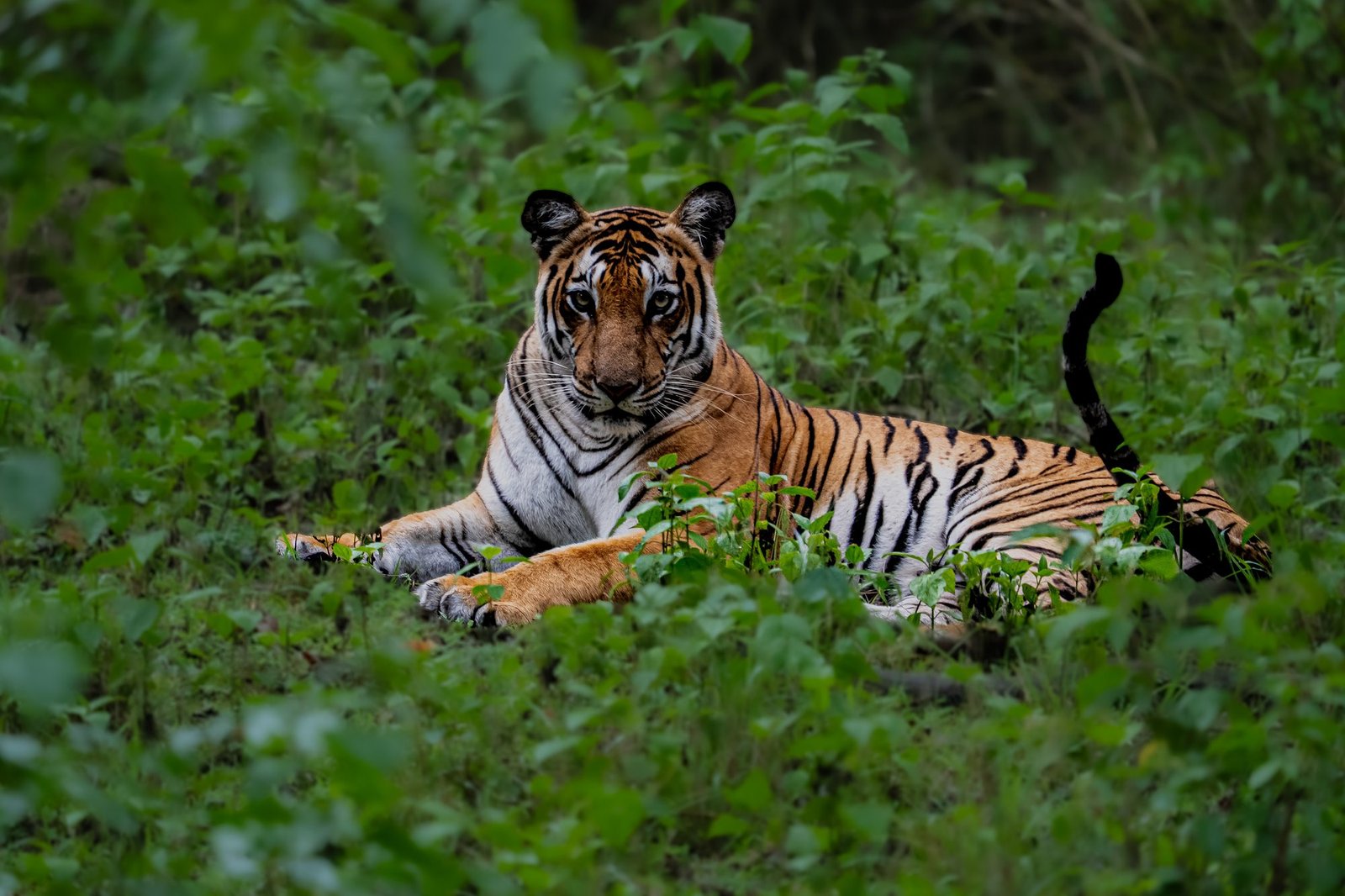
Camera settings to start with
Set your camera up before the drive begins. Changing modes while a tiger walks past is how frames are lost. These are starting points, not rules:
Field tip
In harsh midday light, expose for the brightest part of the frame and lift the shadows later. Blown highlights on fur or feathers can’t be recovered; dark shadows usually can.
What to wear: blend in, layer up
Choose earth tones like olive, khaki, brown and grey, and leave bright colours and white at home; many parks ask visitors to avoid them. Winter mornings in an open jeep are far colder than the daytime temperature suggests, so bring layers you can peel off as the sun climbs, plus a cap and a scarf or buff against dust.
On the drive: habits that matter
Listen before you look
Alarm calls from langurs, spotted deer and sambar often announce a predator long before you see one. When your guide goes quiet and tilts their head, do the same.
Keep the forest quiet
No flash, no calling out, and stay inside the vehicle. Never ask the driver to crowd an animal or block its path. A relaxed animal behaves naturally, and natural behaviour is what makes a photograph.
Put the camera down sometimes
Some of the best sightings are worth simply watching. You’ll also read the animal better, and anticipate the moment you want to photograph.
The short version
- Book permits early and choose a jeep over a canter if you can.
- Pack a telephoto zoom, a wider option, a bean bag and plenty of batteries.
- Set your camera up before the drive, and shoot RAW.
- Wear muted colours and dress in layers.
- Stay quiet, listen for alarm calls, and let the animal set the pace.

Wildlife photographer exploring the forests and wetlands of India by jeep and by boat, with a soft spot for macro.